实物拍摄 · 支持放大查看
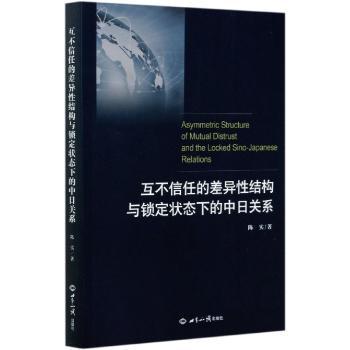
本书提出了一种解构21世纪中日关系多次起伏的研究角度,即分析中日关系中存在的具有差异结构的互不信任问题。 本书认为,日本当前更关注的是基于中国综合国力上升的战略问题,而中国目前更关注的是有关历史的道德问题。中日关系之所以陷入僵局,是因为双方在战略和道德问题上的核心关切不同、结构不对称,从而形成了难以化解的结构互不信任。其中,由于日本多次在历史问题上出现不负责任的举动,且认为历史问题已经解决并因此不回应中国的合理关切,导致中国对日本的道德不信任不断加剧;同时,日本在“中国威胁论”的基调下,视中国为对自身的威胁并产生了对中国的战略不信任,但由于日本的战略不信任源于不合理的“中国威胁论”且无法反映中国发展的意愿,因此中国不可能给予日本理想中的“回应”。由于核心关切领域不同。两国因此缺乏同时解决问题的动机,这因此导致中日关系锁定在时好时坏的状态中。本书通过定分析确定中日互不信任的关键领域,并对相应指括官方话语的定量分析、民意调查结果解读和学界访谈等多角度分析,以论证互不信任的差异结构的存在及其对中日关系的影响。
Chapter 1: Introduction 1.1 Background 1.2 Research questionr/> 1.3 Methodology 1.4 Structure of thiook 1.5 Sectional Conclusion: why the research is significantChapter 2: A theoretical framework 2.1 Is trust a normative behavior or a rational choice for states in international relationr/> 2.1.1 A basic understanding of trust in international relationr/> 2.1.2 Normative relations versus rationality in international relationr/> 2.1.3 Does trust in international relations conform to norms or reflect a rational choice? 2.2 Trust and International Relations Theory approacher/> 2.2.1 Realir/> 2.2.2 Liberalir/> 2.2.3 Constructivir/> 2.2.4 Other related IR theory approaches or perspectiver/> 2.3 The definition of trust in this research 2.3.1 Strategic trust on strategic issuer/> 2.3.2 Moral trust and political trustworthiner/> 2.3.3 The manifestations of trur/> 2.3.4 Trust, not trust and distrur/> 2.4 The measurement of trur/> 2.4.1 How to measure trust/distrust in existing literature 2.4.2 The argument: measuring trust/distrust through analysis at different levelr/> 2.5 Reconciliation as the aim of trur/> 2.5.1 Ending conflictr/> 2.5.2 Improving interstate relationr/> 2.6 A theoretical framework 2.6.1 A conclusive remark 2.6.2 A description of the structure of thiookChapter 3: Literature Review 3.1 Introduction 3.1.1 How the literature review is constructed 3.1.2 The questions of the literature review 3.1.3 The overall bilateral relations and trust in different periodr/> 3.2 Mutual trust and "Honeymoon": 1972 to the end of the Cold War 3.2.1 An overall assessment: no evidences of a trust crisir/> 3.2.2 The 1970r/> 3.2.3 The 1980r/> 3.2.4 A sectional conclusion 3.3 Frictions and revive of distrust: the 1990s to the beginning of 2t century 3.3.1 An evaluation: the rise of problems of distrust without an overall version 3.3.2 Typical exampler/> 3.3.3 A sectional conclusion 3.4 Deterioration: from 2001 to 2015 3.4.1 The overall situation: distrust as crisis and the absence of effective truuilding interactionr/> 3.4.2 Strategic distrur/> 3.4.3 Historical legacies in this era 3.4.4 Nationalism in the 2t century 3.5 Post 2015 era till now 3.6 ConclusionChapter 4: Determinants of trust and distrust in Sino-Japanese relationr/> 4.1 Particular characteristics in Sino-Japanese relationr/> 4.1.1 Particularitierought by China 4.1.2 Particularitierought by Japan 4.2 The determinants of trust and distrur/> 4.2.1 The m of foreign policies of China and Japan 4.2.2 Public opinion in the bilateral relationr/> 4.3 Asymmetries in Sino-Japanese trust and distrur/> 4.3.1 Japan's strategic distrust of China 4.3.2 China's strategic distrust on Japan 4.3.3 China's distrust on moralistic trustworthiness of Japan 4.3.4 Japan's distrust on moralistic trustworthiness of China 4.3.5 The conformation of asymmetrier/> 4.4 ConclusionChapter 5: Japan's distrust on China 5.1 Japan's distrust of China and bilateral relationr/> 5.1.1 Introduction 5.1.2 An overall logic of the case study 5.1.3 Case study--maritime disputes and ideology/being a responle member of international society: background 5.2 The tests of strategic and moral distrur/> 5.2.1 Japan's strategic distrust of China 5.2.2 Japan's moral distrust of China 5.3 A comparative study between Japan's strategic and moral distrust of ChinaChapter 6: China's distrust of Japan 6.1 China's moral distrust of Japan 6.1.1 introduction 6.1.2 Background 6.1.3 Case Analysis: the origins of moral distrust from historical disputer/> 6.2 The test on China's strategic and moral distrust on Japan 6.2.1 China's moral distrust on Japan 6.2.2 China's strategic distrust of Japan 6.3 A comparative study between China's moral distrust and strategic distrust of Japan 6.3.1 The comparative study by qualitative analysir/> 6.3.2 The comparative study by quantitative analysir/>Chapter 7: The locked Sino-Japanese relations and the unlo process through truuilding 7.1 Asymmetric mutual distrust and the locked Sino-Japanese relationr/> 7.1.1 How does each part of mutual distrust affect the bilateral relationship? 7.1.2 How the asymmetric structure is constructed? 7.2 Interview of both Japanese and Chinese scholars: several concerning questionr/> 7.2.1 The methodology and background of the interview 7.2.2 The question design of the interview 7.2.3 The questions and answerr/> 7.2.4 The interpretation of the answerr/> 7.2.5 A sectional conclusion 7.3 Unlo Sino-Japanese relations in two ways: enhancing mutual trust and overcoming the asymmetric structure of distrur/> 7.3.1 The significance of trust: will it help improve and unlock Sino-Japanese relationr/> 7.3.2 Approach one: dealing with the asymmetric structure of mutual distrur/> 7.3.3 Approach two: enhancing mutual trur/> 7.4 ConclusionChapter 8: Conclusion 8.1 Basic judgements and questions constructing thiook 8.2 Theoretical implication 8.2.1 The existence of trur/> 8.2.2 The significance of trur/> 8.2.3 Trust and the "locked" Sino-Japanese relationr/> 8.3 Empirical evidence 8.4 Limitations of the current research and suggestions for the further research 8.5 Final Conclusionr/>BibliographyAppendix 1: governmental documents used in different sections of Chapter 5Appendix 2: governmental documents used in different sections of Chapter 6
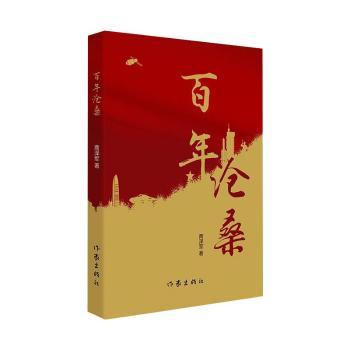
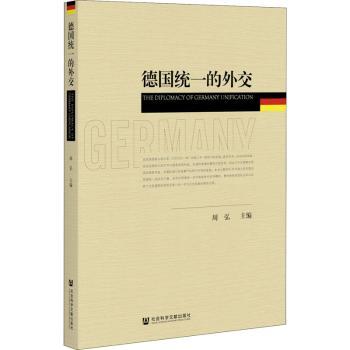
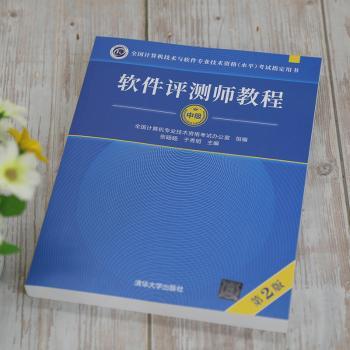
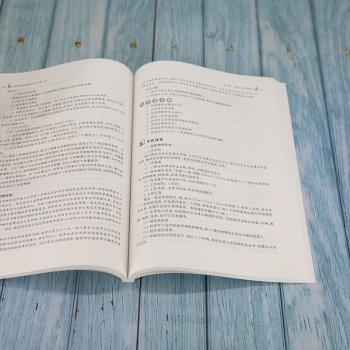
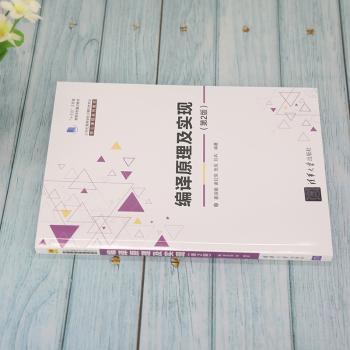
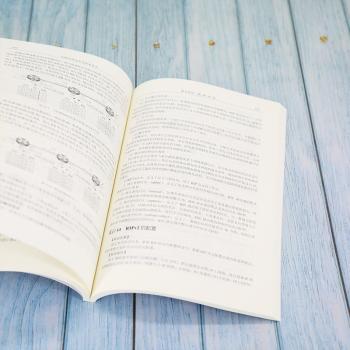
品相说明:本书为八品,书脊轻微磨损,内页整洁无涂画,无缺页少页,具体以实物照片为准。
品相标准:十品为全新未翻阅;九品近全新有轻微痕迹;八品有明显使用痕迹但内容完整;七品及以下为有破损或缺页,页面会有详细说明。
瑕疵说明:拍品图片均为实物拍摄,因显示设备差异可能存在轻微色差,以收到实物为准。
交易方式:本站采用担保交易,买家付款后资金由平台托管,确认收货无误后放款给卖家。
配送说明:下单后 48 小时内发货,默认快递发货,满 99 元包邮,多件订单可合并运费。
议价规则:标注「价格面议」的商品可通过站内消息与卖家议价,达成一致后改价下单。
七天无理由退换:收到商品七日内,若与描述不符可申请退换,运费由责任方承担。
纠纷处理:如发生交易纠纷,可提交平台介入处理,客服 09:00-18:00 在线受理。
正品保障:平台对古籍、签名本等贵重商品提供鉴定咨询服务,发现赝品全额退款。