内容简介
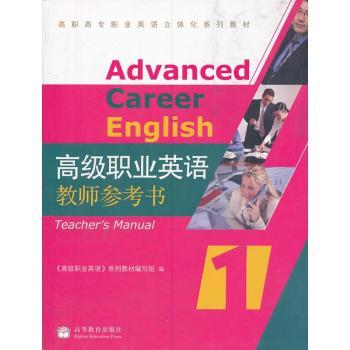
本系列教材依据教育部颁布的《关于全面提高高等职业教育教学质量的若干意见》,遵循“面向社会,针对岗位,强化能力,促进发展”的宗旨,坚持“能力本位、任务驱动、行动导向、教学做一体化”的教学模式和以岗位技能为主线,以职场活动为情景的编写原则,构建“基于工作过程的项目导向”的内容体系,紧扣岗位需求,做到“学中做,做中学”,以“学以致用”、“学以管用”、突出技能训练、全面提高学生完成岗位工作能力为目的。
本系列教材形式新颖,按照听说模块、读写模块和拓展模块分项编写,内容贴近岗位需求,具有独到的针对性和实用性,为学生通过本教材的学习,掌握职场生存和发展的英语基本技能提供了可靠的保障。
本系列教材借鉴国内外教材的编写经验,由外籍语言专家审定把关,是一套专为高职高专院校非英语专业公共英语教学量身打造的综合英语系列教材。
《职业英语》系列教材共三级,每级由《听说教程》、《读写教程》、《拓展教程》以及《教师参考书》组成,同时增加了《预备教程》可供入学水平较低的使用者选用。本系列教材每单元围绕同一职业岗位技能展开训练,每个教程既相对独立,又相互联系和互为补充,从而形成一个有机的整体。
目录
Teaching Plan for Advanced Career English 1
Advanced Career English Teacher’S Manual 1 Reading and Writing.
Unit 1 Adapting to New Environments
Section 1 Before-class Activities:Getting Things Ready
Section 2 In-class Activities:Things to Do
Section 3 Things to Write
Section 4 After-class Activities:More Things to Do
Unit 2 Handling Personal Information
Section 1 Before-class Activities:Getting Things Ready
Section 2 In-class Activities:Things to Do
Section 3 Things to Write
Section 4 After-class Activities:More Things to Do
Unit 3 Planning Your Career
Section 1 Before-class Activities:Getting Things Ready
Section 2 In-class Activities:Things to Do
Section 3 Things to Write
Section 4 After-class Activities:More Things to Do
Unit 4 Hunting for a job
Section 1 Before-class Activities:Getting Things Ready
Section 2 In-class Activities: Things to Do
Section 3 Things to Write
Section 4 After-class Activities: More Things to Do
Unit 5 Making Invitations
Section 1 Before-class Activities: Getting Things Ready
Section 2 In-class Activities: Things to Do
Section 3 Things to Write
Section 4 After-class Activities: More Things to Do
Unit 6 Receiving Visitors
Section 1 Befere-class Activities: Getting Things Ready
Section 2 In-class Activities: Things to Do
Section 3 Things to Write
Section 4 After-class Activities: More Things to Do
Unit 7 Managing Office Work
Section 1 Before-class Activities: Getting Things Ready
Section 2 In-class Activities: Things to Do
Section 3 Things to Write
Section 4 After-class Activities: More Things to Do
Unit 8 Organizing Meetings
Section 1 Before-class Activities: Getting Things Ready
Section 2 In-class Activities: Things to Do
Section 3 Things to Write
Section 4 After-class Activities: More Things to Do
Unit 9 Making Business Trips
Section 1 Before-class Activities: Getting Things Ready
Section 2 In-class Activities: Things to Do
Section 3 Things to Write
Section 4 After-class Activities: More Things to Do
Unit 10 Interpersonal Skills and Teamwork
Section 1 Before-class Activities: Getting Things Ready
Section 2 In-class Activities: Things to Do
Section 3 Things to Write
Section 4 After-class Activities: More Things to Do
Advanced Career English Teachers Manual 1
Listening and Speaking
Unit 1 Adapting to New Environments
Section 1 Before-class Activities: Getting Things Ready
Section 2 In-class Activities: Things to Do
Section 3 After-Class Activity : Listen for Fun
Unit 2 Handling Personal Information
Section 1 Before-class Activities: Getting Things Ready
Section 2 In-class Activities: Things to Do
Section 3 After-Class Activity : Listen for Fun
Unit 3 Planning Your Career
Section 1 Before-class Activities: Getting Things Read
摘要与插图
4) Language study:Again it is inadvisable that the teacher spend too much time elaborating the usage of vocabulary and sentence patterns, though appropriate explanations and drills are absolutely necessary. The words, phrases and sentence patterns that are practised in the tasks that follow the reading passage are the key ones to which due attention should be paid. Tips for the teaching of language points:1. One CH for the teaching of language points of the reading passage would be more than enough.
2. Focus on use rather than usage, effectiveness rather than efficiency, fluency rather than accuracy
3. EPE in teaching a language point:
A. Explanation: Any explanation should be made right to the point. Never sayanything that is more than necessary.
B. Practice: Teaching without practice is no teaching at all and explanation
without using is labour lost. So never teach a language point without giving the students time and opportunities to use it by repeating, translating, questioning and answering, making up sentences, etc.